AB Life care Hospital
Fluid and Electrolyte Disorders
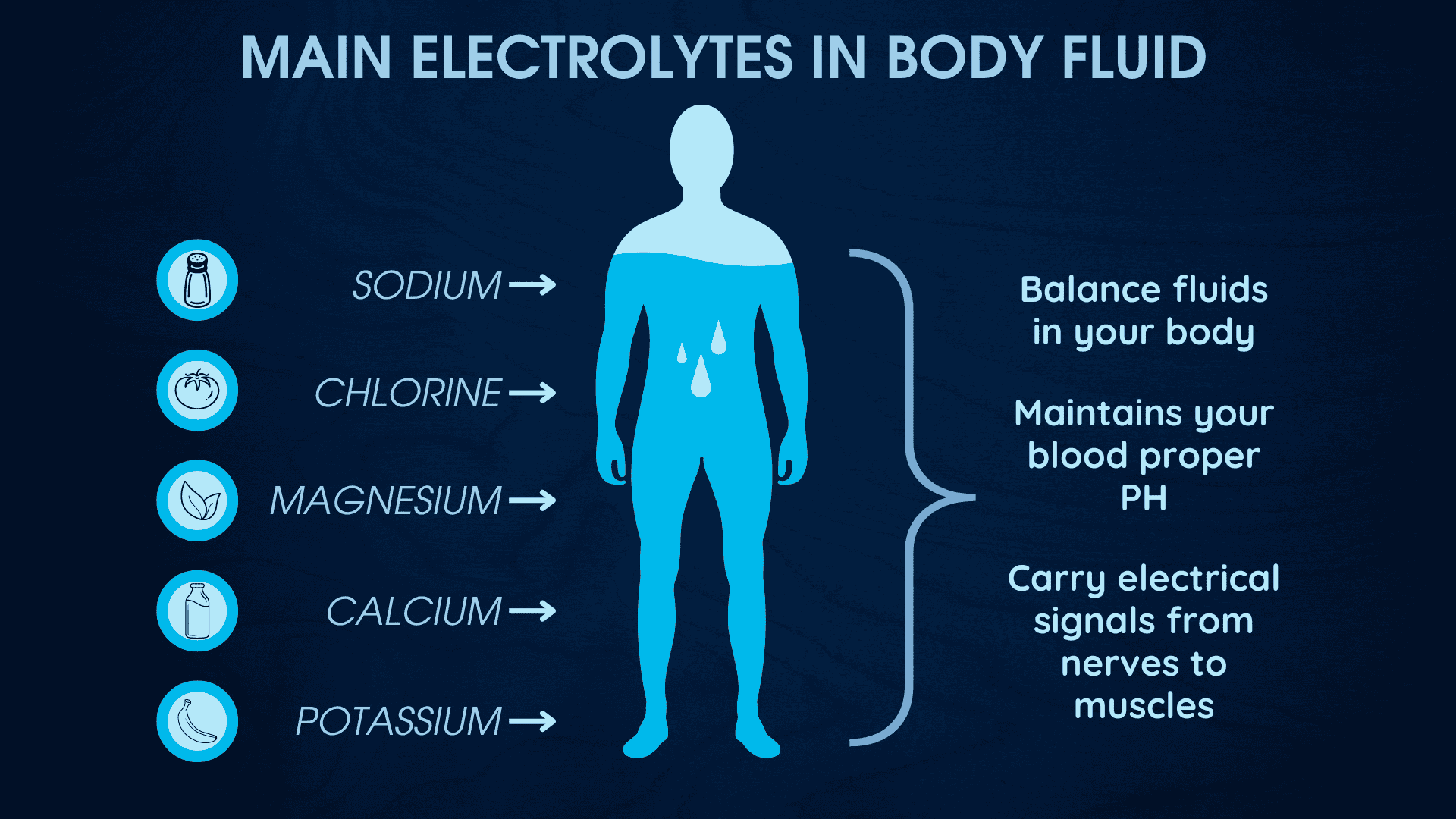
The kidneys play a critical role in maintaining the body’s fluid balance and regulating electrolytes such as sodium, potassium, calcium, and bicarbonate. When kidney function is compromised, these delicate balances can be disrupted, leading to serious complications including muscle weakness, irregular heart rhythms, confusion, swelling, or breathing difficulties.
Fluid and electrolyte disorders may arise due to kidney disease, dehydration, heart failure, endocrine disorders, or certain medications. Nephrologists carefully assess blood and urine tests to determine the type and severity of imbalance. Conditions such as hyperkalemia (high potassium), hyponatremia (low sodium), metabolic acidosis, or fluid overload require immediate and precise management.